

European Fashion Alliance, ModaLisboa, Fashion, Sustainability
EUROPEAN FASHION ALLIANCE PUBLISHES LANDMARK REPORT ON THE NEEDS OF EUROPE’S FASHION CREATIVE INDUSTRY
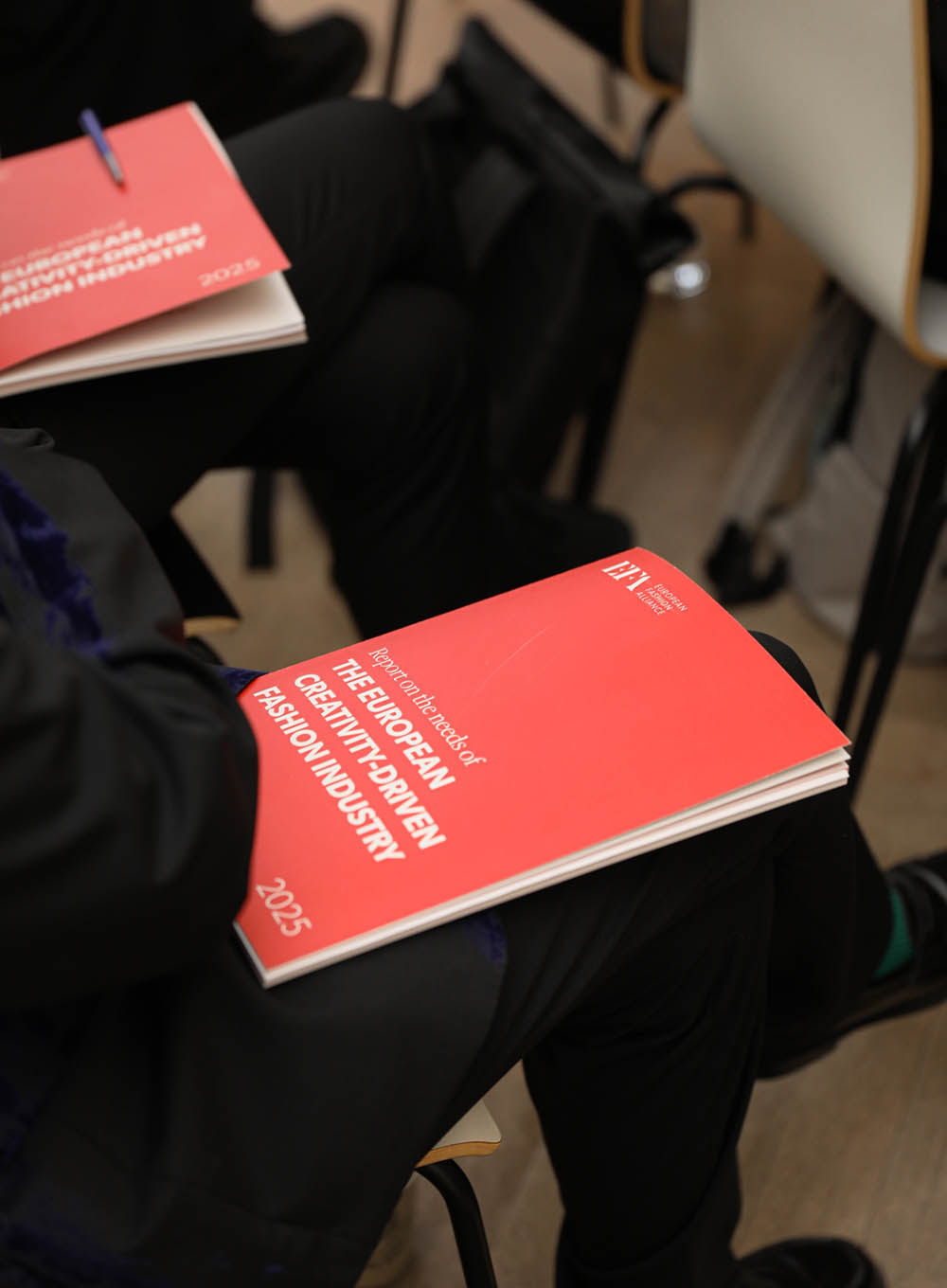
The fashion sector in Europe is at a turning point. But what is required for this transformation to take place in a consistent and structural way? This is the central question addressed in the Report on the Needs of the European Creativity-Driven Fashion Industry 2025, released today by the European Fashion Alliance (EFA), of which the ModaLisboa Association is a founding member. This landmark analysis maps the challenges, opportunities and structural requirements of the European fashion ecosystem, with a particular focus on small and medium-sized enterprises (SMEs) as the backbone of the sector.
“If Europe wants to lead on a global level, it must empower the creators who are shaping its future. This report sets out the direction for that support and clearly shows where targeted investment, policy alignment and structural improvements are needed,” says Scott Lipinski, CEO of Fashion Council Germany and President of the European Fashion Alliance.
Based on in-depth qualitative interviews with 26 EFA members and data from the previous Status of European Fashion survey (available for download), the report identifies concrete recommendations for European Union institutions. Structured around seven thematic areas — Sustainability; Innovation and Digitalisation; Education and Skills; Communication and Distribution; Responsible Consumption; Systemic Support and Fair Competition Conditions; Strengthening the Value Chain — it presents clear, actionable proposals arising from the structural gaps identified in the study:
– Only half of companies feel informed about upcoming European regulation: just 52% of surveyed companies were aware of the Ecodesign for Sustainable Products Regulation (ESPR), one of the most significant policies on the sector’s regulatory horizon.
– Most struggle to communicate their value in the face of fast fashion: 66% of companies believe that the public image of the fashion industry is “fairly negative” or “negative”, undermining the differentiation of responsible European brands.
“The social, environmental, economic and geopolitical transformations of the last decade have prompted deep reflection on the role of European fashion. But beyond diagnosing its creative system, it has become urgent to identify concrete measures capable of strengthening the sector’s strategic position within the global landscape,” explains Joana Jorge, Project Manager at the ModaLisboa Association. “The next step is to disseminate them to the public, industry professionals and especially institutional and political stakeholders to ensure their effective implementation.”
The report’s 63 recommendations to strengthen sustainability, innovation and systemic support in Europe include:
– A European Fashion Hub — an EU-backed digital platform acting as a one-stop shop for SMEs, offering regulatory guidance, sustainability tools, funding information, mentoring and innovation resources.
– Reduced VAT on certified sustainable materials, harmonised sustainability certifications at European level, and strengthened support for local production.
– Europe-wide awareness campaigns to promote responsible fashion consumption.
– Dedicated funding for research and development specific to creative industries, circular business models, and local and sustainable production.
– A comprehensive economic study to quantify the true value and impact of Europe’s creative fashion sector.
“The creative fashion sector can be Europe’s strongest cultural and economic ambassador,” states the EFA Board. “With the right support, European fashion can become the global benchmark for sustainable, innovative and human-centred creation.”
Following the publication, the EFA and its members will progressively highlight priority themes selected from the report over the next three months.
ABOUT THE EFA
The European Fashion Alliance is the first transnational alliance of European fashion institutions. Its aim is to promote a fertile, sustainable and inclusive ecosystem for European fashion. The EFA acts as a strong collective voice advocating for and accelerating the transition of European fashion towards a more sustainable, innovative, inclusive and creative future.
A seven-member board is responsible for the organisation’s direct governance, comprising representatives from the British Fashion Council (United Kingdom), Camera Nazionale della Moda Italiana (Italy), Copenhagen Fashion Week (Denmark), Fashion Council Germany (Germany), Fédération de la Haute Couture et de la Mode (France), Flanders DC (Belgium) and the Slovak Fashion Council (Slovakia).
Scott Lipinski (CEO, Fashion Council Germany) was elected President of the Board. Carlo Capasa (President, Camera Nazionale della Moda Italiana), Pascal Morand (Executive President, Fédération de la Haute Couture et de la Mode), Cecilie Thorsmark (CEO, Copenhagen Fashion Week), Elke Timmerman (Strategy Director, Flanders DC), Zuzana Bobikova (CEO, Slovak Fashion Council) and Caroline Rush (CEO, British Fashion Council) are the remaining members.
RELATED
FOR FASHION PROFESSIONALS: CLIMATE ADAPTATION SURVEY
European Fashion Alliance launches the Climate Adaptation in the Fashion Sector survey, as part of the European project JUST FASHION.
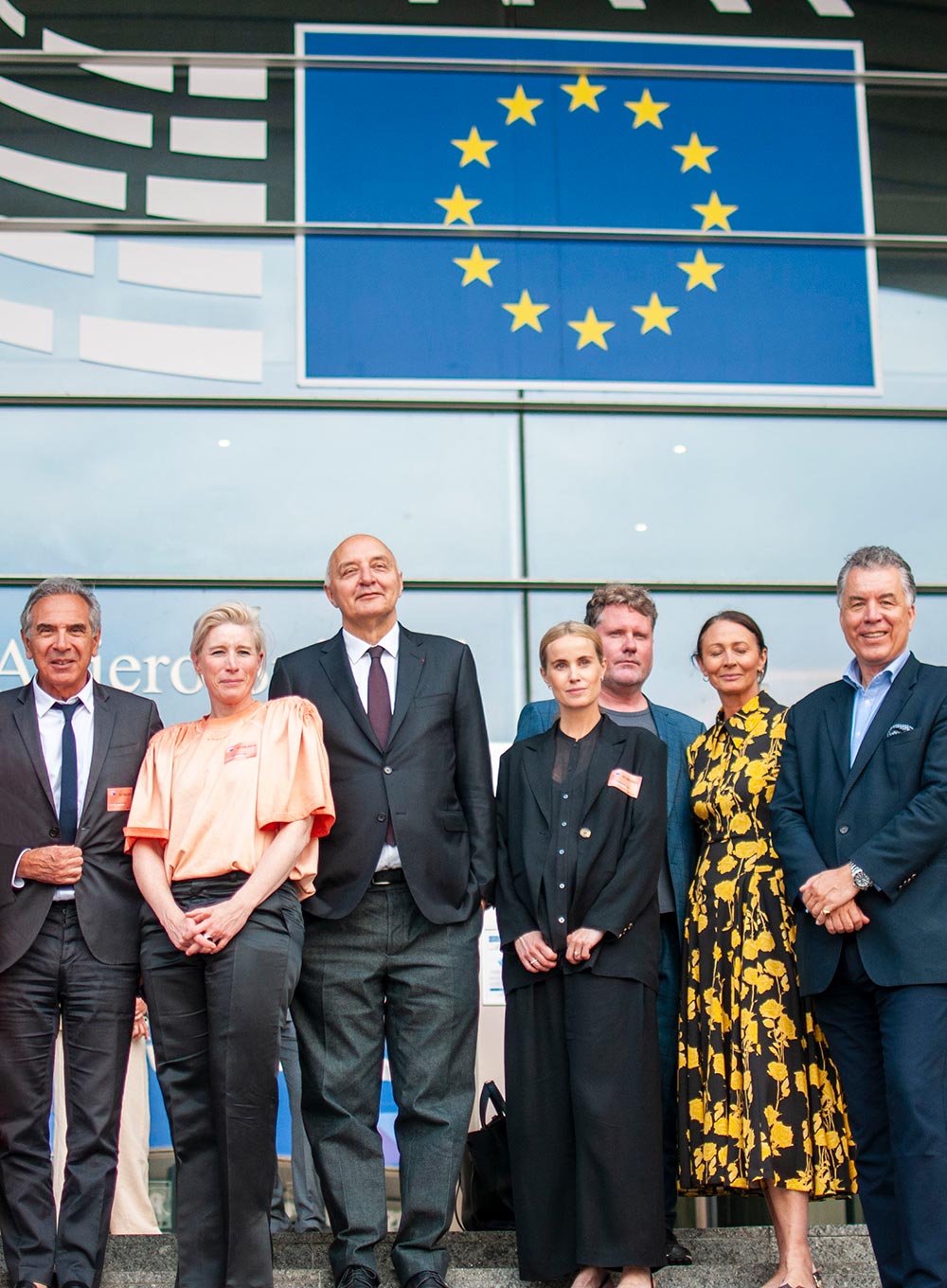
EFA DISCUSSES FASHION POLICY IN BRUSSELS
The European Fashion Alliance (EFA) held its first political fashion round table in Brussels to announce a European wide industry survey which will result in a report on the status of European fashion.
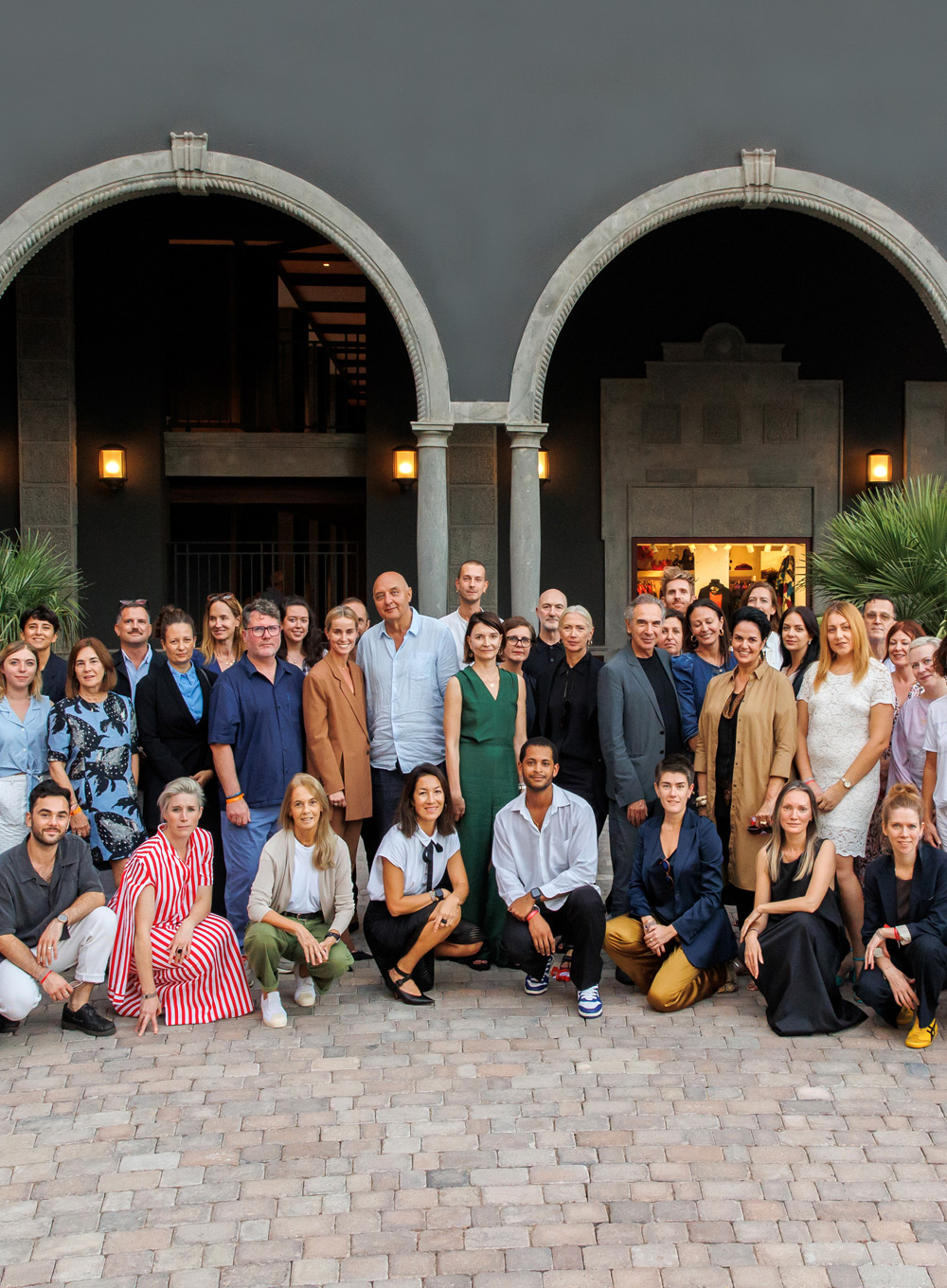
EUROPEAN FASHION ALLIANCE
Greener, more innovative, more creative – at the first summit on Gran Canaria, the members of the European Fashion Association “EFA” put together a package of measures and actions for a sustainable and inclusive future of the European fashion industry.
