Over time, a practice develops a language of its own. What elements, questions or references do you now recognise as defining your work?
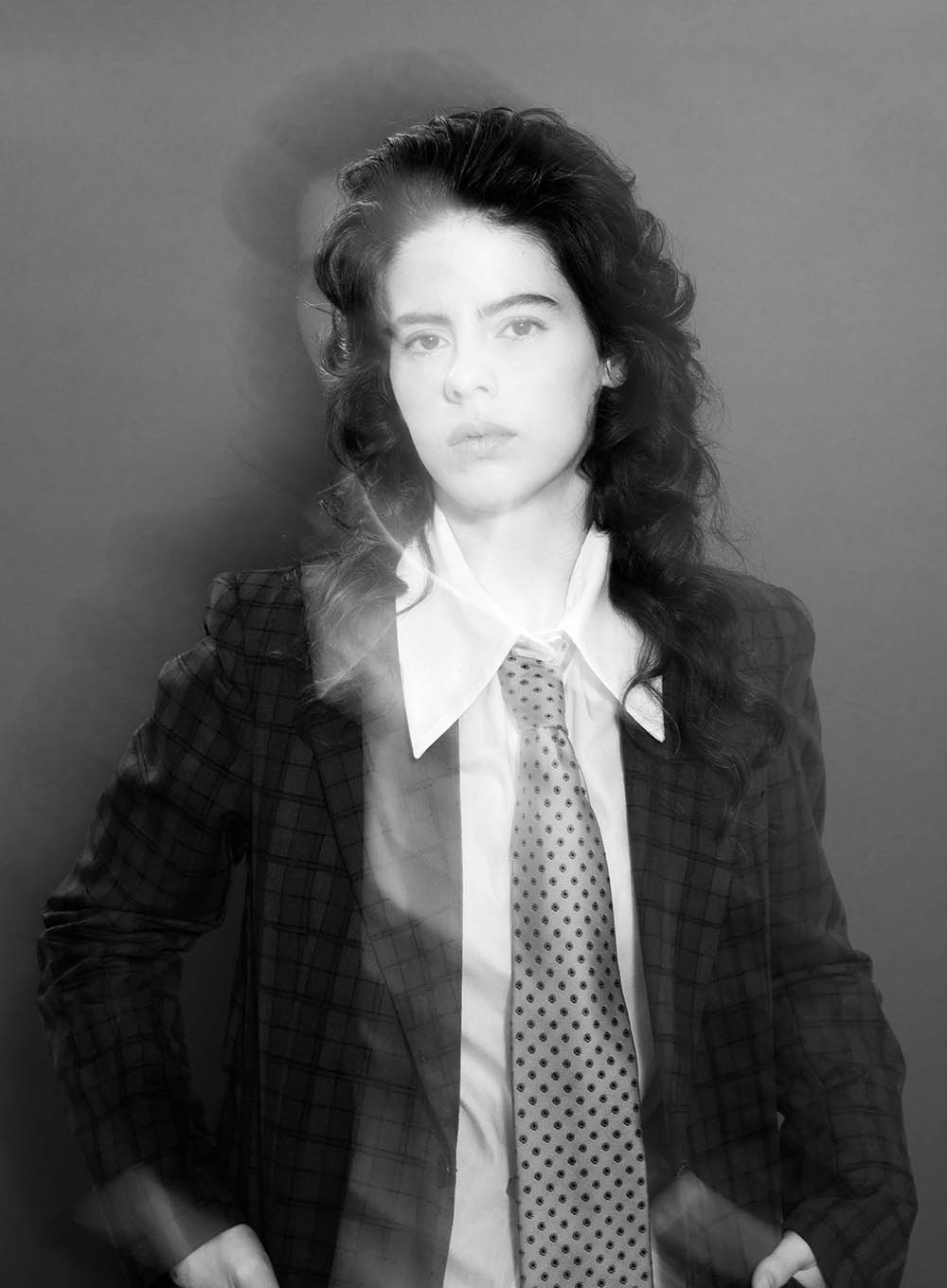
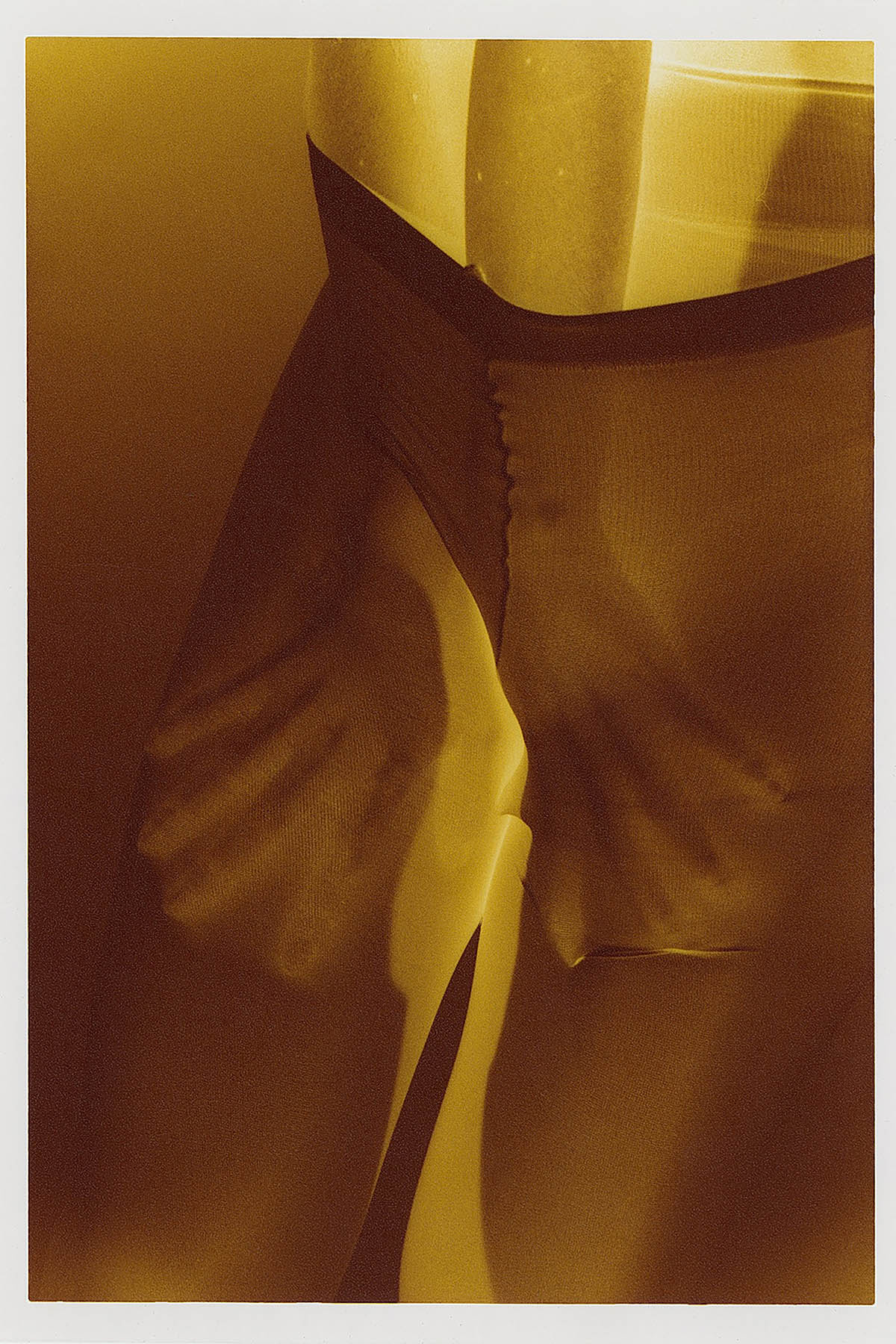
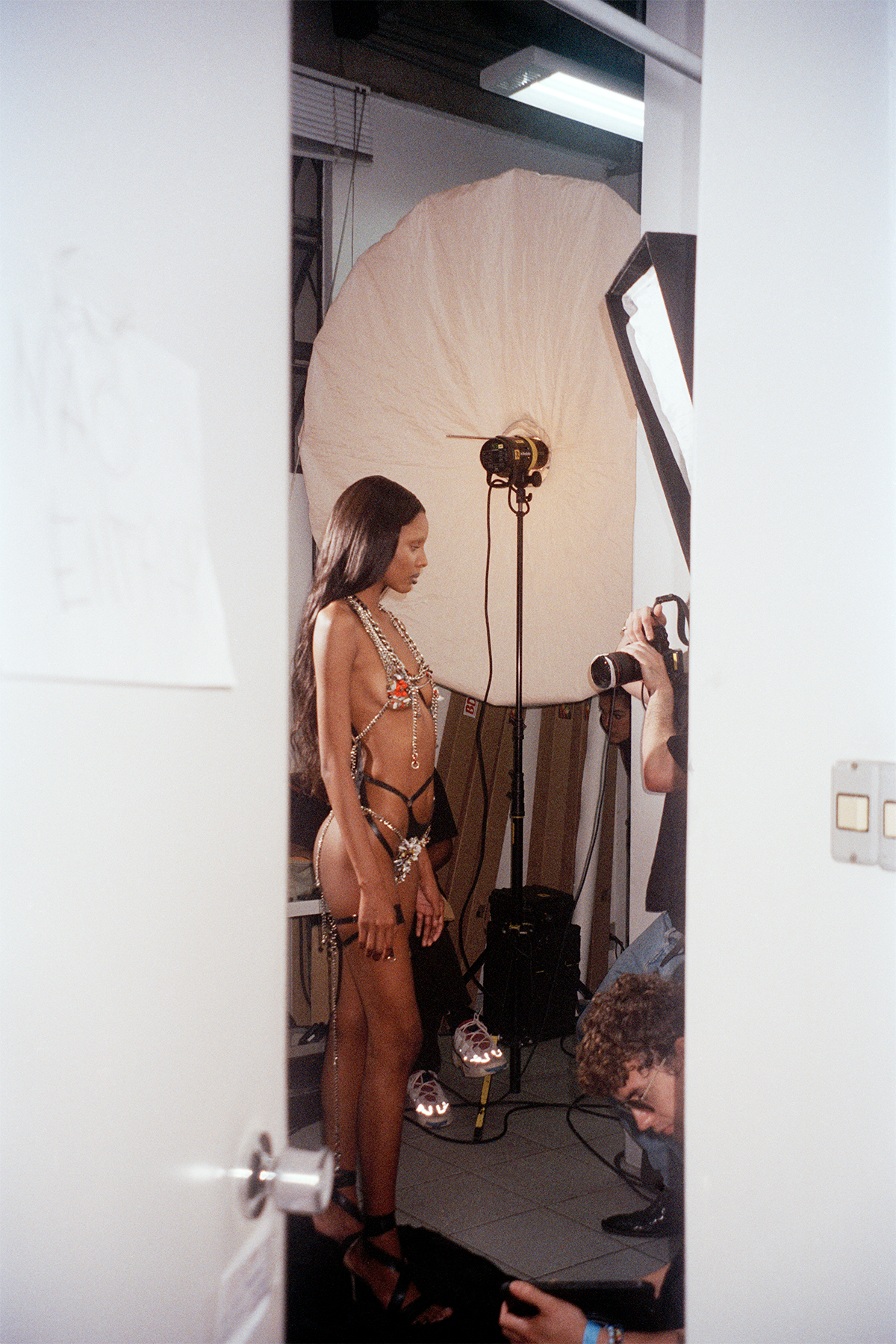
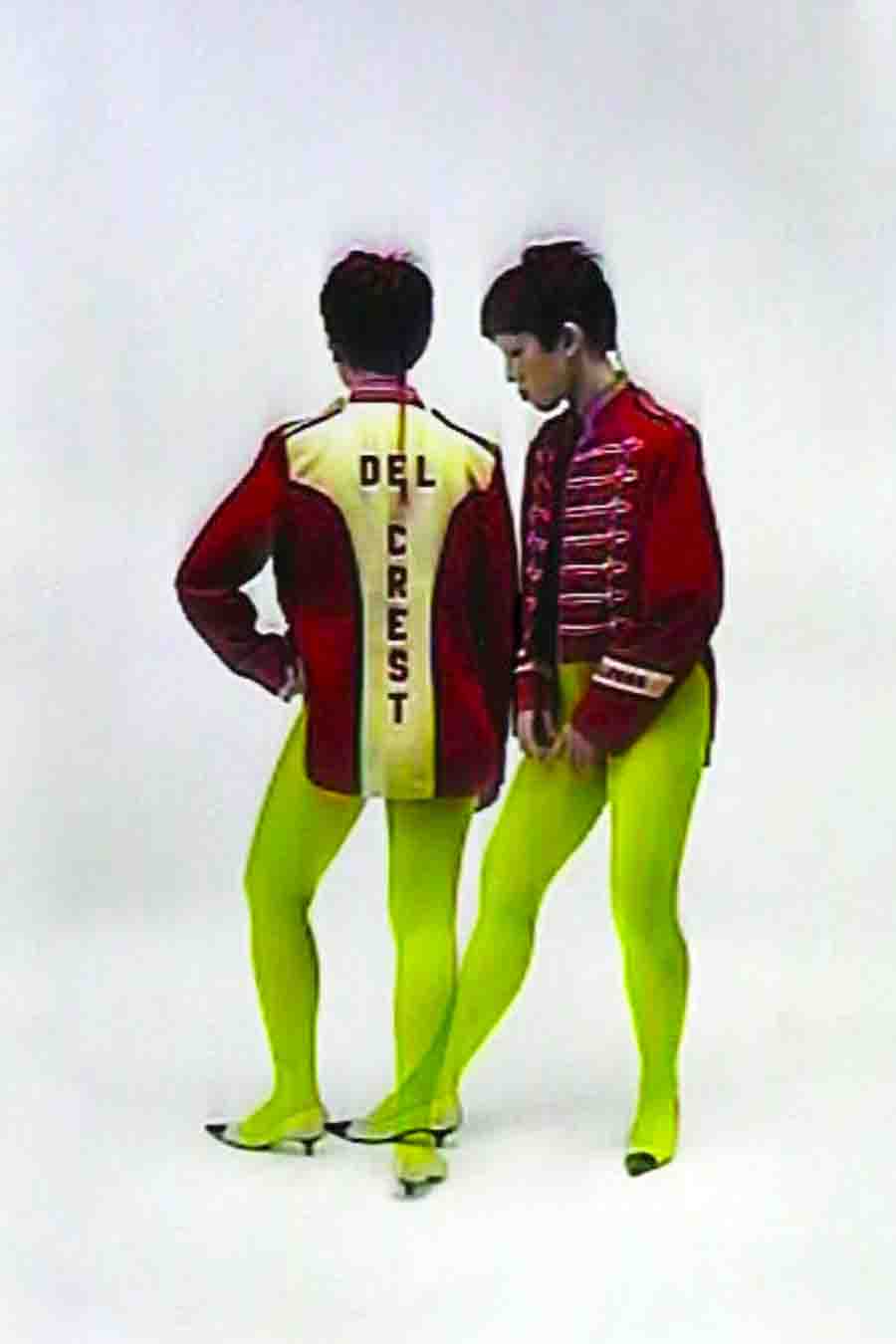
I think there are a few recurring themes in my practice: architecture, which makes sense given my academic background, Fashion, nature and nightlife. I’ve worked extensively across these different contexts, and I feel that part of my work is about giving such distinct subjects equal weight, because my photographic approach doesn’t really change from one to another. Certain visual elements recur throughout: textures, fragmented bodies, prints, patterns and reflective surfaces, as well as more abstract expressions of light and colour.
Beyond this range of subjects, the way I think about photography itself is also fundamental to my work. Wolfgang Tillmans is an important reference for me in that respect, particularly in the way he approaches photography as a spatial and collective experience. Through the way his exhibitions are installed, different images enter into dialogue with one another and with the space around them, so that the exhibition, and the act of displaying the work, becomes part of the work itself.
Nan Goldin is another important reference, initially because of her connection to nightlife and her ability to capture such intense, vibrant moments, but above all because she made such an intimate world public. Goldin allows each person who encounters those images to form their own unique and personal relationship with them. I think that’s essential to being a good photographer.
Artists such as Hudinilson Jr., Claudia Andujar and George Love connect with another aspect of my more recent practice: experimenting with the image itself and with processes of reproduction. I try not to think of photography as something confined to the moment an image is taken, but to explore what can happen afterwards through printing, cropping, collage and appropriation. Today, the darkroom and enlargement processes are spaces for experimentation in their own right, and are as much a part of constructing the image as taking the photograph itself.
PRIORITY stems from the need to make choices at a time when images, references and possibilities are everywhere. How do you navigate that abundance without losing your own point of view?
My practice began with analogue photography. I started taking pictures with my mother’s camera, simply because it was the camera we had at home, and I haven’t stopped since. I don’t work exclusively with 35mm; I also use digital cameras, particularly in situations where I want complete control over the image, usually in the studio.
Analogue photography has become part of my everyday life, and I think it has profoundly shaped the way I take pictures. I have 36 frames, and I need to make the image happen within those limits. That constraint makes me more precise about when I press the shutter. As an artist, working with analogue photography has also allowed me to extend my research into the darkroom. Recently, I’ve been focusing part of my practice on experimental processes involving hand-printed colour photographs, which has opened up even more possibilities for experimentation.
We live in an age of images and are constantly bombarded by them. Against that backdrop, I think the limitations inherent to analogue photography, and the processes that come with it, help me protect my way of seeing from that visual saturation.
At the same time, I’m much more optimistic when it comes to the abundance of references available to us today. In an interview, Alexa Chung was once asked which period in Fashion she liked best, and she said the present, precisely because today you can mix something from the 1920s with something from the 1960s and something contemporary. I agree with that. I like being able to draw on references from completely different periods, places and worlds, throw them all into a blender and see what comes out. I think originality can emerge precisely from the particular way each person combines and transforms those references.
Given carte blanche to photograph Lisboa Fashion Week, what interests you about working in a territory that sits outside your usual practice?
Photographing Lisboa Fashion Week is a great opportunity precisely because it places me in a new environment, somewhere different from the spaces I already know, spend time in and have been part of. I think encountering a contemporary Fashion scene and culture that I don’t know will be incredibly enriching and will expand my visual vocabulary.
When I enter unfamiliar territory, I look for things that spark my curiosity. I’m often drawn to what feels “out of place”: objects, gestures or textures that create a certain tension with their surroundings. I’m also interested in the opportunity to move away from the way I usually work. Stepping outside my comfort zone comes more naturally in a new situation, where there is room to experiment and to approach recurring aspects of my work from a different angle.